Botanical Typography: Elevating Your Design Projects
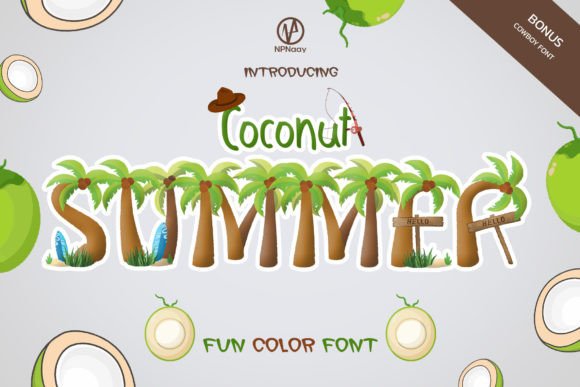
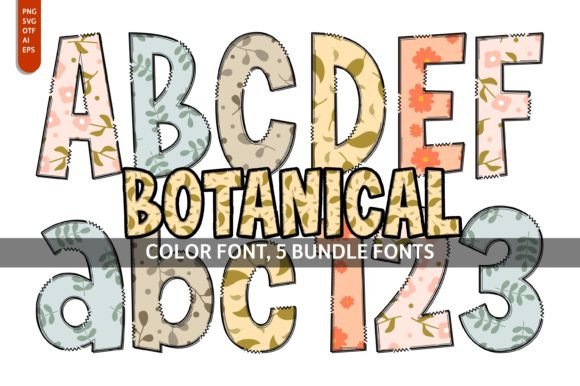
In a world saturated with digital noise, a touch of organic elegance can make your work stand out. Botanical typography offers a unique and powerful way to inject personality, warmth, and a playful artistic feel into a wide array of creative projects. This style of lettering, often characterized by its flowing forms and natural inspiration, is far more than a decorative choice—it's a strategic design asset that can transform communication and strengthen visual identity.
The Power of Organic Letterforms
In modern graphic design, typography is a fundamental pillar of visual communication. Botanical fonts move beyond simple readability to evoke specific emotions and associations. Their inherent artistry connects with viewers on a human level, suggesting creativity, nature, growth, and approachability. This makes them exceptionally effective for projects aiming to break away from rigid, corporate aesthetics and foster a more engaging, memorable experience. Whether used for a headline, a logo, or a subtle accent, this style immediately sets a distinct tone.
Practical Applications Across Creative Fields
The versatility of a well-crafted botanical font allows it to shine in numerous design contexts. Its ability to convey a playful or artistic feel makes it a valuable tool for designers, marketers, and creators looking to enhance their visual storytelling. Consider its impact in the following areas:
- Branding and Logo Design: Establish a unique brand identity for businesses in wellness, lifestyle, food, or artisanal crafts. A botanical typeface can become the cornerstone of a logo that feels authentic and welcoming.
- Marketing Materials: From posters and flyers to brochures and digital ads, this typography captures attention and communicates a message with charm, improving recall and engagement.
- Social Media Content: Create scroll-stopping graphics, stories, and reels. The aesthetic appeal is perfect for Instagram, Pinterest, and lifestyle blogs, helping to build a cohesive and beautiful visual feed.
- Editorial and Web Design: Use it for pull quotes, section headers, or accent text in magazines, blogs, and website hero sections to add a layer of sophistication and break up monotony.
- Packaging and Product Design: Ideal for labels on cosmetics, gourmet foods, or stationery, this style communicates quality and care, directly influencing consumer perception at the point of sale.
- Invitations, Cards, and Merchandise: Perfect for greeting cards, wedding invitations, event posters, and merchandise like tote bags or prints, where a personal, artistic touch is paramount.
Integrating Botanical Elements Effectively
Selecting the right creative assets is only the first step. To maximize impact, thoughtful integration into your broader design system is crucial. Here are key considerations for using a botanical font or any distinctive typeface:
- Prioritize Readability and Hierarchy: While beautiful, ornate fonts can sometimes challenge legibility at small sizes. Use them strategically for headlines, logos, or display text, and pair them with a clean, simple sans-serif or serif font for body copy. This creates a clear visual hierarchy and ensures your message is communicated effectively.
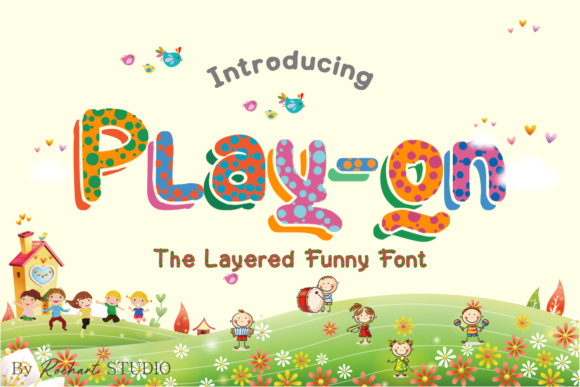
- Ensure Consistency with Brand Identity: The chosen style must align with your brand's core values and personality. A playful, hand-lettered botanical font suits a children's book brand but may conflict with a luxury tech company's sleek identity. Always test it against your existing color palette and imagery.
- Consider Scalability and Medium: Evaluate how the font renders across different sizes and on various platforms—from a small favicon to a large-scale print banner. Ensure it maintains its charm and clarity in both digital (UI design, web design) and print design applications.
- Mind the Audience: Your audience's expectations are key. A design for a yoga studio's social media graphics can embrace a more artistic, flowing typography than a formal corporate report. Understanding context ensures your design choices resonate rather than distract.
Ultimately, the most impactful designs result from intentional choices. A botanical font, when used with purpose, does more than decorate—it communicates a feeling, tells a story, and builds a connection. By focusing on how such assets serve your overall design goals—enhancing user experience, clarifying information, and strengthening brand perception—you ensure your creative projects are not only visually stunning but also strategically sound. Investing in quality creative resources is an investment in clearer, more powerful, and more beautiful communication.