Blue Wave: Elevate Your Creative Projects with Whimsical Typography
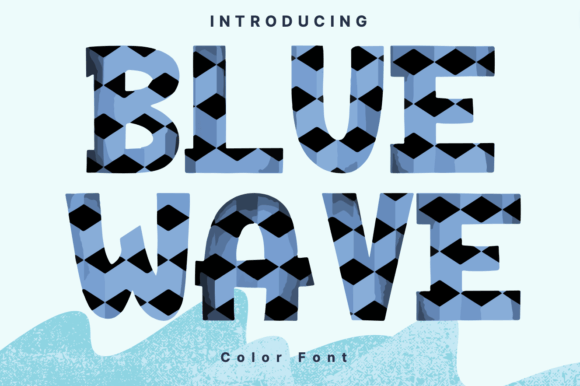
In the ever-evolving landscape of graphic design, the right typeface can transform a simple concept into a memorable visual story. Blue Wave emerges as a whimsical and creative color font, designed to infuse projects with a sense of fluidity and modern aesthetic. Its unique character makes it a versatile asset for designers seeking to add a distinctive touch to their visual communication.
Understanding the Power of a Color Font
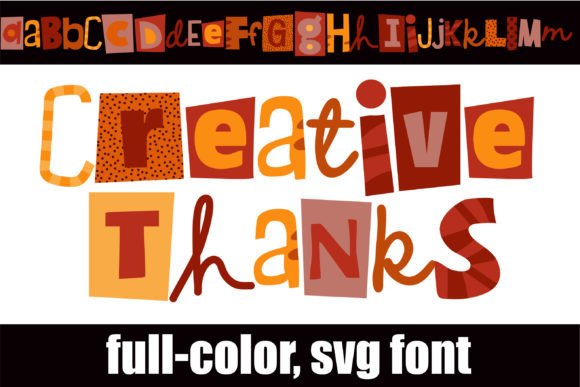
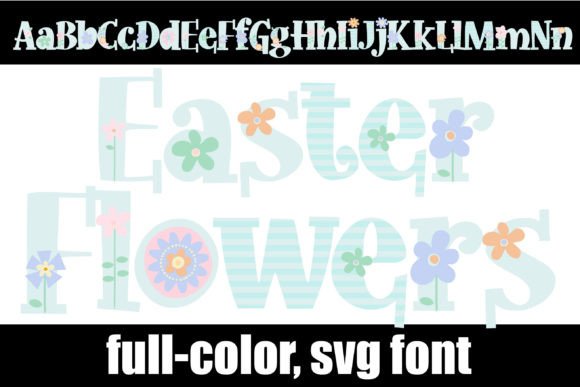
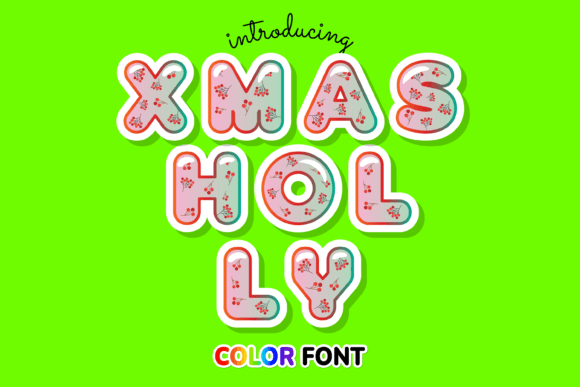
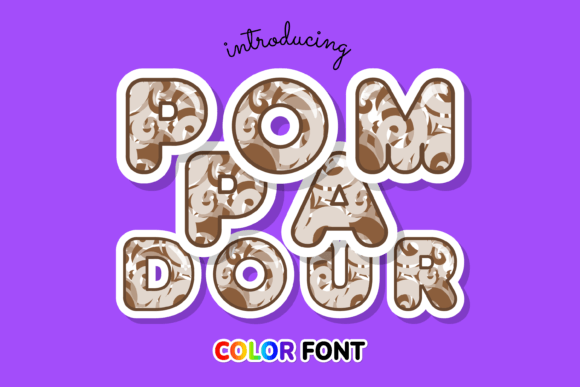
Unlike traditional typefaces, Blue Wave is an OpenType-SVG color font, meaning each glyph can contain multiple colors, gradients, and even textures within a single character. This technology allows for stunning visual effects that were once only achievable through complex manual editing. It represents a significant shift in typography, offering designers a new dimension for creativity and brand expression.
Its compatibility with professional design software like Adobe Photoshop and Illustrator, as well as tools like Silhouette and Inkscape, makes it accessible for a wide range of creative workflows. However, it's important to note that standard OTF or TTF versions are not compatible with certain cutting machines like Cricut, highlighting the need to choose assets that align with your specific project requirements.
Practical Applications Across Design Disciplines
The true value of a creative asset like Blue Wave lies in its application. Its whimsical nature and visual impact make it suitable for numerous projects where personality and engagement are key.
- Branding and Logo Design: Use it to craft unique wordmarks or logotypes that stand out in a crowded market, especially for brands targeting a youthful, creative, or playful audience.
- Social Media Graphics: Create eye-catching headlines, quotes, or promotional posts that stop the scroll. The color font effect is inherently engaging on platforms like Instagram and Pinterest.
- Digital Marketing: Enhance email headers, banner ads, or website hero sections to improve click-through rates and user engagement through compelling visual hierarchy.
- Packaging and Merchandise: Apply it to product labels, apparel designs, or tote bags where a distinctive typographic style can add perceived value and shelf appeal.
- Editorial and Web Design: Use it sparingly for pull quotes, feature article titles, or UI elements in creative projects to add a burst of personality without compromising readability.
Integrating Creative Assets Thoughtfully
While a font like Blue Wave offers tremendous creative potential, its effectiveness depends on strategic implementation. Consider these factors when incorporating it into your design workflow:
- Consistency and Brand Alignment: Ensure the font's character aligns with the overall brand identity and message. It should complement, not clash with, your existing color palette and design language.
- Readability and Context: Prioritize legibility. Color fonts are often best used for display purposes—headlines, logos, short phrases—rather than long blocks of body text where readability is paramount.
- Scalability and File Format: Always test the font at various sizes to ensure the intricate color details remain clear. Remember to use the correct OpenType-SVG format in compatible software for the intended effect.
- Audience and Goal: Reflect on your design goals and audience expectations. A whimsical, vibrant typeface is perfect for a children's brand or a creative festival poster but might be less suitable for a formal corporate report.
Thoughtful design is about making intentional choices that serve both aesthetics and communication. By selecting high-quality, specialized creative assets like Blue Wave and applying them with purpose, designers and creators can significantly enhance the visual impact of their work, strengthen brand recognition, and create more memorable experiences for their audience.