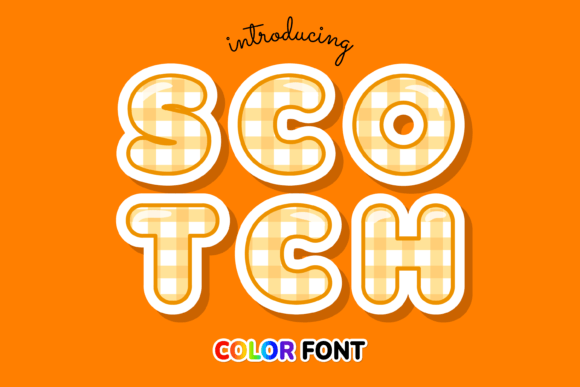
Scotch: The Cool Color Font for Modern Design
In the dynamic world of graphic design, the right typography can transform a good project into an unforgettable one. Scotch emerges as an incredibly cool color font, offering a unique blend of visual impact and creative versatility. This OpenType-SVG font is designed to inject a lovely, polished touch into any creation, from custom digital designs to hands-on DIY crafts, making it a valuable asset for designers seeking to elevate their work.
Understanding Scotch and Its Design Potential
Scotch is a color font, meaning each glyph contains multiple colors and gradients within a single character. This technology allows for intricate, multi-tonal designs that were once only possible through complex layering in graphic software. For modern graphic design, this translates to immediate visual richness and a contemporary aesthetic. It directly supports current design trends that favor bold, vibrant, and engaging typography to capture attention in crowded digital spaces.
Its importance lies in its ability to strengthen brand identity and enhance visual communication. A distinctive font like Scotch can become a cornerstone of a brand's visual language, conveying personality—whether playful, elegant, or avant-garde—more effectively than standard typefaces. This contributes to a cohesive brand identity across all touchpoints, from logo design to social media graphics.
Practical Applications for Creative Professionals
The true value of a creative asset like Scotch is measured by its practical utility. Its compatibility with key design software like Photoshop, Illustrator, Silhouette, and Inkscape makes it accessible for a wide range of projects. Here’s how it can be applied effectively:
- Branding and Logo Design: Use Scotch to create standout logos or wordmarks that are instantly recognizable. The built-in color variation adds depth and personality, helping a brand stand out in a competitive market.
- Marketing Materials: Enhance brochures, flyers, and digital ads. The font's visual appeal can draw the eye to key messages, improving engagement and recall in advertising campaigns.
- Social Media Content: Create scroll-stopping posts, stories, and thumbnails. Its vibrant appearance is ideal for platforms where quick visual impact is crucial, boosting user engagement.
- Website and UI Design: Apply Scotch strategically for headlines, hero sections, or call-to-action buttons in web design. It can improve visual hierarchy and user experience (UX) by guiding visitor attention, though careful consideration of readability for body text is essential.
- Packaging and Editorial Design: In packaging design, it can make a product pop on the shelf. For editorial layouts, it offers a creative solution for chapter titles, pull quotes, or magazine covers, adding a layer of modern aesthetics.
Tips for Effective Implementation
Integrating a distinctive element like Scotch requires thoughtful consideration to ensure it enhances rather than overwhelms your design. Always evaluate the font against your project's specific goals and audience expectations.
First, prioritize consistency. If using Scotch in a branding system, define clear guidelines for its application to maintain a professional presentation across all materials. Second, consider scalability and readability. While perfect for display text, test its performance at various sizes and in different contexts, especially for print design or digital interfaces where clarity is paramount. Finally, ensure compatibility with your existing design workflow and brand color palette. The font's inherent colors should harmonize with your broader visual design scheme to create a unified and polished result.
Ultimately, the power of a tool like Scotch lies in its ability to spark creativity and solve visual communication challenges. By selecting high-quality creative assets that align with your design inspiration and technical needs, you invest in the overall quality of your work. Thoughtful typography and vibrant color application are not merely decorative; they are fundamental to creating compelling narratives, building strong brands, and delivering experiences that resonate with your audience.