Jelly Font: A Playful Asset for Modern Design
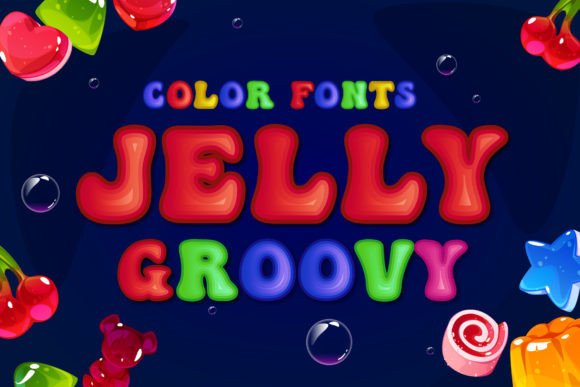
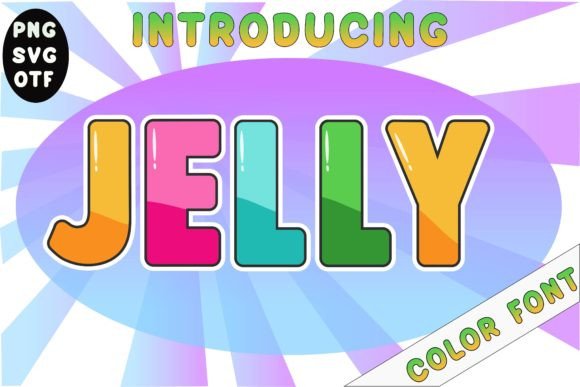
Discovering a typeface that instantly injects personality and joy into a project is a designer's delight. Enter Jelly, a cute and fun display font that has the potential to elevate any creation. As a color font utilizing Opentype-SVG technology, it offers vibrant, pre-colored glyphs that bring a unique, modern aesthetic to your work, making it an incredible asset to any creative's library.
The Role of Playful Typography in Visual Communication
In today's saturated digital landscape, standing out requires more than just a good idea; it demands compelling visual communication. Typography is a cornerstone of this, acting as both a vehicle for message and a tone-setter. A font like Jelly moves beyond mere legibility to create an emotional response. Its rounded, squishy forms and inherent color palette tap into current design trends that favor approachability, warmth, and tactile appeal. This makes it particularly effective for brands aiming to connect with audiences on a more personal, friendly level.
Practical Applications for Maximum Impact
The true value of a creative asset lies in its versatility. Jelly's distinct character makes it suitable for a wide range of projects, helping to strengthen brand identity and improve user engagement across various touchpoints.
- Branding & Logo Design: Ideal for children's brands, lifestyle blogs, or any company wanting a youthful, energetic identity. It creates an immediate visual hook.
- Packaging Design: This is where Jelly truly shines. It is perfect for packaged food products such as snacks, milk, yogurt, jelly, and more, instantly communicating fun and flavor on the shelf.
- Social Media & Marketing: Use it for eye-catching headlines, stories, and promotional graphics to stop the scroll and boost engagement.
- Digital Products & UI: Apply it strategically in app interfaces, website hero sections, or digital product thumbnails to add a burst of creativity where appropriate.
- Merchandise & Print: Its graphic nature translates well to T-shirts, stickers, posters, and editorial layouts for a bold statement.
Integrating Specialized Fonts into Your Design Workflow
While a font like Jelly offers tremendous creative potential, using it effectively requires thoughtful consideration. Always evaluate a new asset against your project's core goals and existing brand system.
Consider Compatibility and Context: Remember, Jelly is a color font (Opentype-SVG) compatible with software like Adobe Photoshop, Illustrator, Silhouette, and Inkscape. However, its OTF/TTF files are not compatible with Cricut. Always check technical specifications to ensure it fits your design workflow. Use it for display purposes—titles, logos, and short bursts of text—rather than long paragraphs to maintain readability and maximize its visual hierarchy.
Balance and Harmony: Pair Jelly with a clean, neutral sans-serif or serif font for body text. This contrast creates a professional presentation, allowing the playful font to command attention without overwhelming the entire design. Ensure its vibrant color palette complements your overall color scheme rather than clashing with it.
Ultimately, the strength of a design lies in the cohesion and intentionality of its elements. Investing in high-quality, specialized creative assets like the Jelly font allows designers, marketers, and business owners to efficiently produce polished, modern, and engaging work. By understanding a tool's capabilities and applying it strategically, you can enhance both the aesthetic appeal and communicative power of any project, from brand identity systems to dynamic digital marketing campaigns.